
Robotic Knee Replacement Surgery in Jhansi for BHEL Employees
Robotic-assisted knee replacement at Jhansi Orthopaedic Hospital & Research Centre combines advanced surgical technology with specialist orthopaedic care. Eligible BHEL employees and beneficiaries can contact our team to understand treatment options, applicable benefits, and the next steps towards improved mobility.
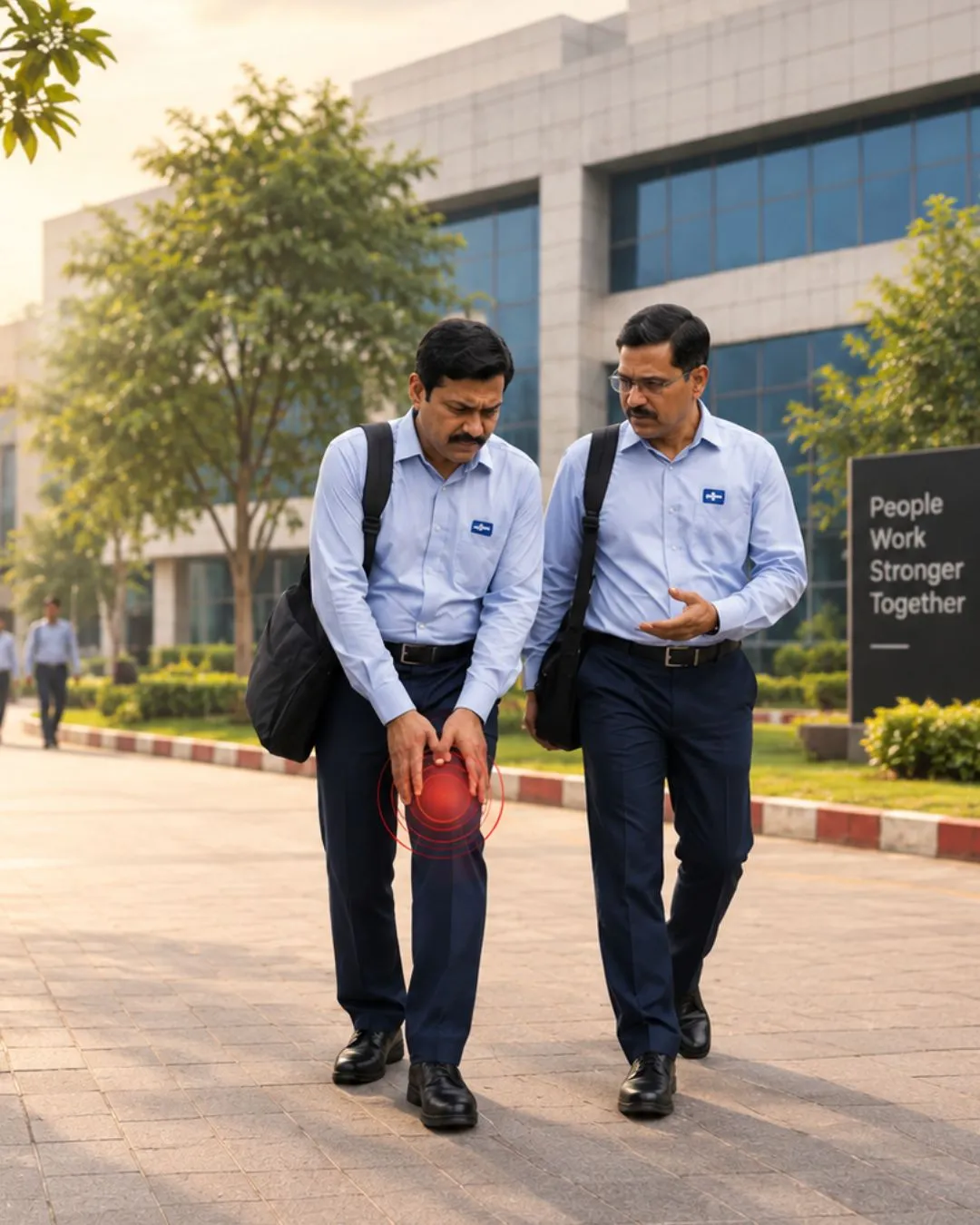
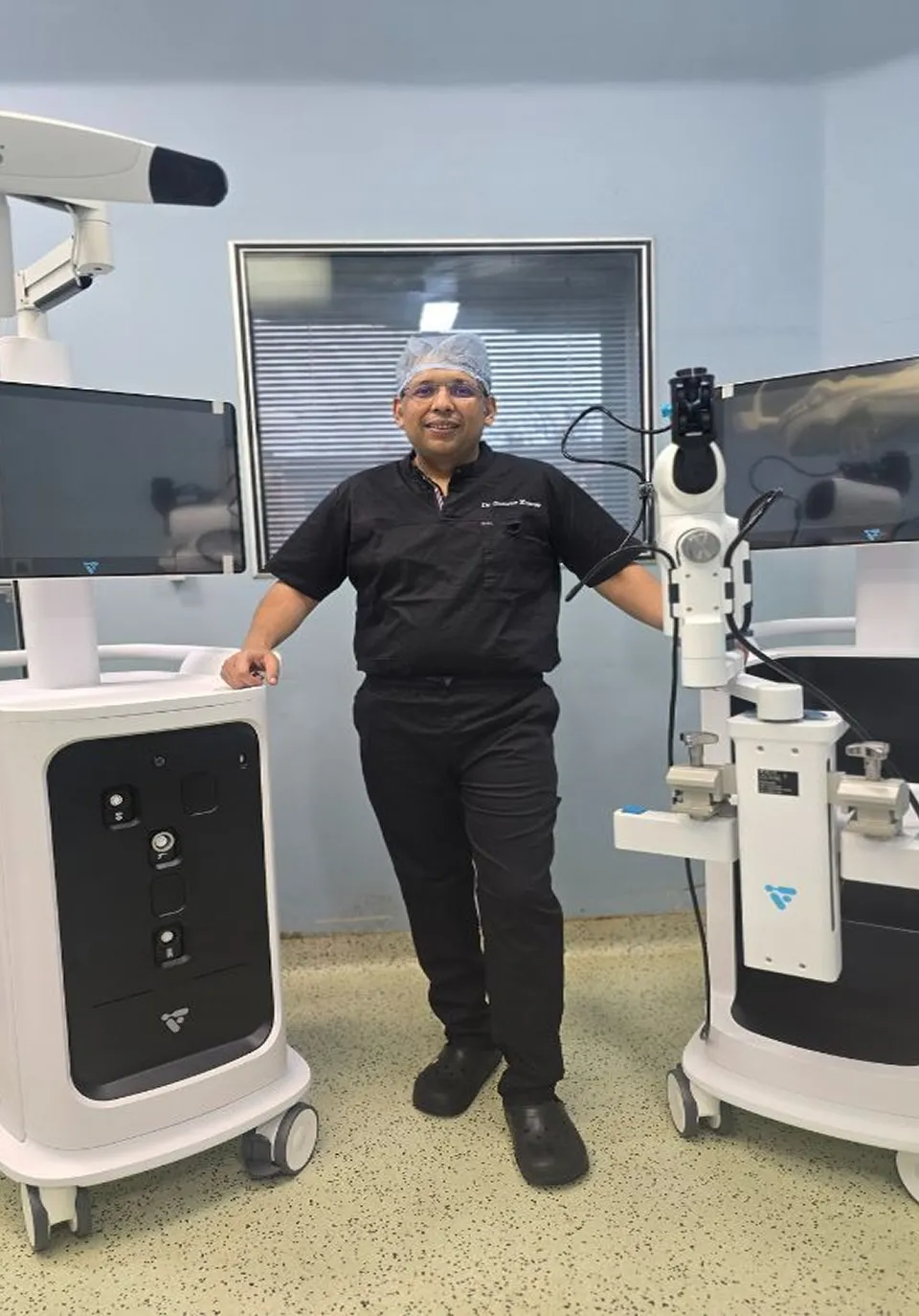
Advanced Robotic Knee Replacement at JOH, Jhansi

Persistent knee pain, stiffness, and difficulty walking can interfere with everyday activities. When non-surgical treatments no longer provide sufficient relief, a doctor may recommend evaluating whether knee replacement surgery is appropriate.
At Jhansi Orthopaedic Hospital & Research Centre, eligible patients can explore robotic-assisted knee replacement using the VELYS Robotic-Assisted Solution. Treatment recommendations are based on each patient's condition, medical history, and clinical assessment.
BHEL employees and their eligible beneficiaries can contact Jhansi Orthopaedic Hospital & Research Centre to learn more about the procedure, consultation process, and applicable coverage arrangements.
Trusted father-son experts – Dr. D.K. Gupta and
Dr. Gaurav Gupta – Bringing Advanced Robotic Knee Replacement Care Closer to BHEL Employees and Their Families.
Benefits of Robotic Knee Replacement Surgery

The VELYS system supports the surgeon during knee replacement by providing information to help guide surgical decisions.
Your surgeon evaluates your knee condition, anatomy, mobility, and medical history when determining the appropriate treatment approach.
Recovery involves more than surgery alone. Your medical team will advise you on mobilisation, physiotherapy, pain management, and follow-up care.
From the initial evaluation to postoperative rehabilitation, the care team can explain the procedure, recovery expectations, and recommended next steps.
Your Recovery Advantages
Every step designed for your comfort and safety.

Quick Mobility
Start walking within 24–48 hours post-surgery.

Short Hospital Stay
Go home in just 2–3 days.

Home Care Support
Professional physiotherapy at your doorstep.

Significant Savings
Save ₹50,000 on your total treatment cost.

How Robotic-Assisted Knee Replacement Works
Robotic-assisted knee replacement combines the surgeon's expertise with computer-assisted technology to support surgical planning and the positioning of knee implants.
The VELYS system provides the surgeon with information about the patient's knee anatomy and helps guide decisions during the procedure. The surgeon remains responsible for performing the surgery and determining the appropriate treatment.
The suitability of robotic-assisted knee replacement depends on the patient's condition and clinical assessment. Your doctor can explain whether this approach is appropriate for you.
Our Insurance Partners


Precision. Technology.
Trusted Outcomes.
Our track record speaks for itself – delivering safe, successful, and precise surgeries.
Precision Based Surgery
Improved accuracy using robotics
Less Tissue Damage
Safer Surgical Techniques and Process
Quicker Recovery Process
Faster return to daily routine
Guided Post Surgery Care
Structured rehabilitation Support
Meet Dr. Gaurav Gupta, Knee Replacement Surgeon in Jhansi
Dr. Gaurav Gupta provides orthopaedic and joint replacement care at Jhansi Orthopaedic Hospital & Research Centre. His work includes robotic-assisted knee replacement and other joint replacement procedures.
Patients considering knee replacement can consult the doctor to understand their diagnosis, available treatment options, surgical approach, and expected recovery.
Continuing the legacy of Dr. D.K. Gupta, the team at Jhansi Orthopaedic Hospital & Research Centre provides orthopaedic care for patients from Jhansi and surrounding regions.

Book a Robotic Knee Replacement Consultation in Jhansi
Frequently Asked Questions About Robotic Knee Replacement
Robotic knee replacement is a surgical procedure in which a surgeon uses computer-assisted robotic technology to help plan and guide aspects of knee joint replacement. At Jhansi Orthopaedic Hospital & Research Centre, the VELYS system supports the surgeon during the procedure. Suitability depends on the patient's condition and clinical assessment.
Patients exploring robotic knee replacement surgery in Jhansi can contact Jhansi Orthopaedic Hospital & Research Centre to learn about the procedure, consultation process, and available treatment options. A qualified orthopaedic surgeon can assess the patient's condition and determine whether knee replacement is appropriate.
Total knee replacement may be considered for people with significant knee joint damage, often caused by osteoarthritis, when pain and restricted movement continue to affect daily life despite appropriate non-surgical treatment. A surgeon evaluates symptoms, examination findings, imaging, medical history, and overall health before recommending surgery.
Robotic-assisted knee replacement uses technology to support surgical planning and guide aspects of the procedure. The surgeon uses this information alongside clinical judgement to make decisions during surgery. The approach and potential benefits depend on the patient's condition, the surgical plan, and the surgeon's assessment.
Recovery varies depending on the patient's age, overall health, procedure, and rehabilitation progress. Some patients begin walking with assistance soon after surgery, while regaining strength and returning to everyday activities can take several weeks or longer. The treating team provides an individual recovery and physiotherapy plan.
BHEL employees and eligible beneficiaries should contact Jhansi Orthopaedic Hospital & Research Centre to confirm whether their specific medical benefits apply to knee replacement treatment. Ask the hospital about eligibility requirements, required documentation, applicable treatment arrangements, and any pre-authorisation process before scheduling surgery.
Coverage depends on the patient's policy or applicable government scheme, the hospital's eligibility under that arrangement, and the insurer's approval requirements. Patients should confirm their benefits, exclusions, waiting periods, and pre-authorisation requirements with their insurer and the hospital before proceeding.
